
Service 02 · Refurbishment and construction
Façade refurbishment
We remove and replace damaged cladding, enclosures and façade elements to restore the building's safety, protection against water and appearance, with the most suitable means of access for each case.
What it includes
Cladding and render
Removal of damaged or detached finishes and installation of new cladding.
Enclosures
Replacement of obsolete external panels, sheeting and enclosures on buildings and industrial premises.
Elements at risk
Cornices, stone cladding, balconies and loose parts that could fall onto the public road.
Thermal insulation
Improvement of the building envelope when the association or the ITE call for it, taking advantage of the works.
Downpipes and ducts
Renewal of downpipes, gutters and external ducts, including fibre cement ones.
Access equipment
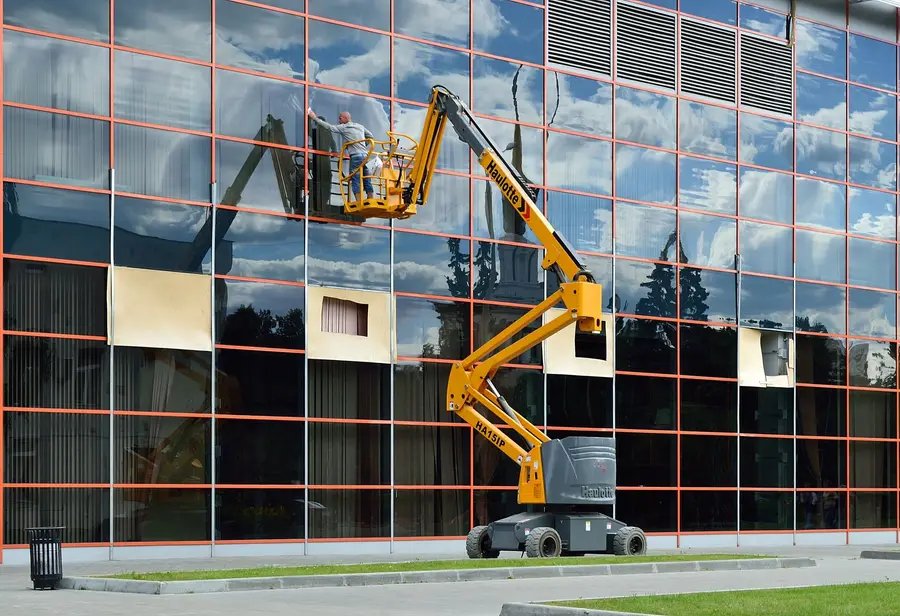
Scaffolding, aerial platforms or rope access depending on height and access.
Emergency actions
Removal of loose elements and temporary protection after a detachment.
Signs that a façade needs refurbishment
Façades give warning before they fail: growing cracks, flaking render, damp that never dries, cladding that sounds hollow, balcony railings and beams with exposed steel, open joints between panels. After a detachment or a loose element, cordon off the area and call a professional as soon as possible.
Elements at risk of falling
Cornices, stone cladding, mouldings, balconies and copings are the most sensitive points. Where there is risk, we act on safety first: we remove what is loose, make the substrate safe and, if the full works have to wait for the association's agreement or the permit, we install temporary protection.
Scaffolding, aerial platform or rope access
Every façade calls for a different means of access. Scaffolding is the natural option for extensive, lengthy works; an aerial platform quickly deals with industrial buildings and accessible façades; and rope access makes it possible to work without scaffolding in inner courtyards, on façades with no room on the pavement or for one-off interventions, with less occupation of the public road and less set-up time.
In the preliminary survey we compare the options and explain what each one means in terms of time, cost of access equipment and disruption for residents or the building's activity.
Using the works to improve insulation
Replacing cladding and enclosures is the moment to consider solutions that improve the thermal performance of the building, such as external wall insulation. It is not always worthwhile, but when the association wants to reduce energy costs or the Technical Building Inspection recommends it, we study it within the same project.
Refurbishment and energy-improvement grants are periodically available for residential façades (local and regional authorities). The calls change every year; we guide you on the technical documentation usually requested.
Downpipes, gutters and ducts
Many façades still have old downpipes, sometimes made of fibre cement, that leak and stain the wall. We replace them as part of the refurbishment or as a separate job: see the downpipes and ducts page.
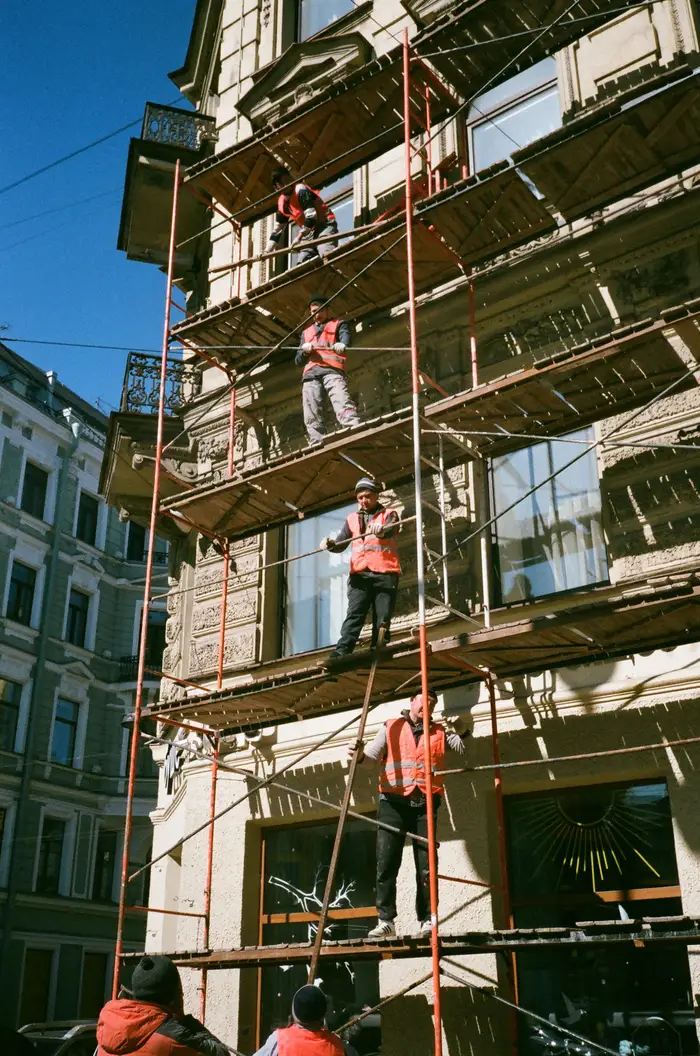
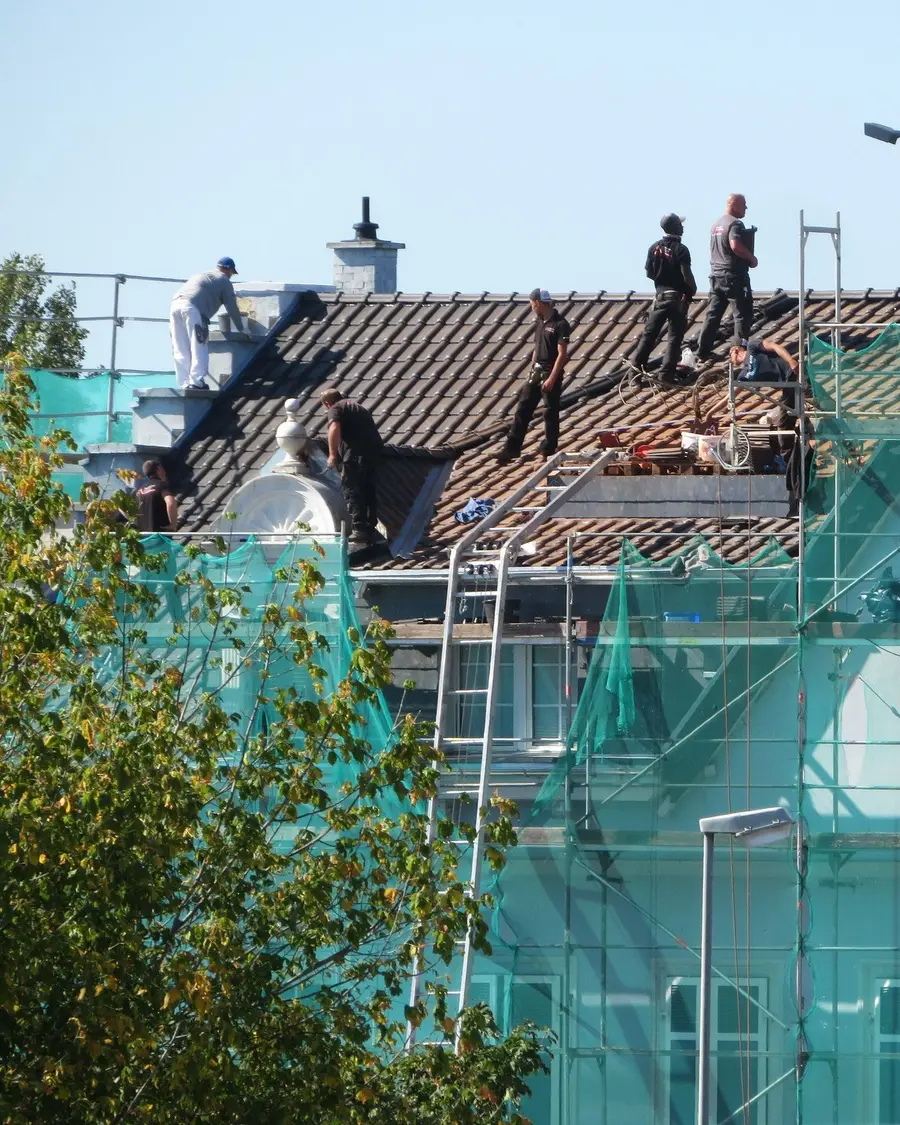
Illustrative images. They do not show Revital Innover projects.
Who we work for
- Homeowners' associations and property managers.
- Owners of residential and office buildings.
- Companies with industrial buildings and damaged metal or panel cladding.
- Commercial buildings and premises with façades in need of repair.
- Developers and contractors that need a façade specialist.
How we manage it
- Preliminary survey and assessment of each project, with a site visit when the job requires it.
- Technical proposal with the phases of execution, deadlines and every item explained.
- Coordination of the professionals, specialised companies and technical means involved.
- Follow-up of the execution and handover of the final documentation.
FAQ
What signs indicate that a façade needs renewing?
Cracks, damp, flaking render, loose parts or cladding that is coming away. Where there is a risk of falling parts, cordon off the area and call a professional as soon as possible.
Is scaffolding needed to refurbish a façade?
Not always. For one-off interventions, inner courtyards or façades with no room for scaffolding, rope access techniques allow the work to be done. For extensive works, scaffolding or an aerial platform is usually more efficient. We assess it in the preliminary survey.
Can the works be used to improve insulation?
Yes. Replacing cladding and enclosures is a good moment to consider solutions that improve the thermal performance of the building, such as external wall insulation.
How long does a façade refurbishment take?
It depends on the surface area, the condition of the substrate, the means of access and the permits. A one-off intervention can be completed in days; a full refurbishment of an apartment block is planned in phases and set out in the quote with a schedule.
Who decides on the works in a homeowners' association?
The façade is a common element, so the works are approved at the owners' meeting and are usually managed by the property manager. We prepare the documentation so that the association can compare options, and we answer technical questions at the meeting if needed.
Are there grants for refurbishing façades?
There are periodic calls for grants for the refurbishment of common elements and for energy improvements (local and regional authorities). They change every year and have their own requirements; it is worth checking the current call before planning the works.
More answers on the FAQ page.
Do you have a façade refurbishment project?
Tell us what you need and where the property is. We study it and propose the most suitable solution before preparing the quote.
Request a quote