

Service 06 · Refurbishment and construction
Replacement of fibre cement downpipes and external ducts
We remove and renew old, damaged or obsolete downpipes, gutters and external ducts so that water drains properly and the façade does not suffer. If they are made of fibre cement, with the same legal requirements as an asbestos roof.
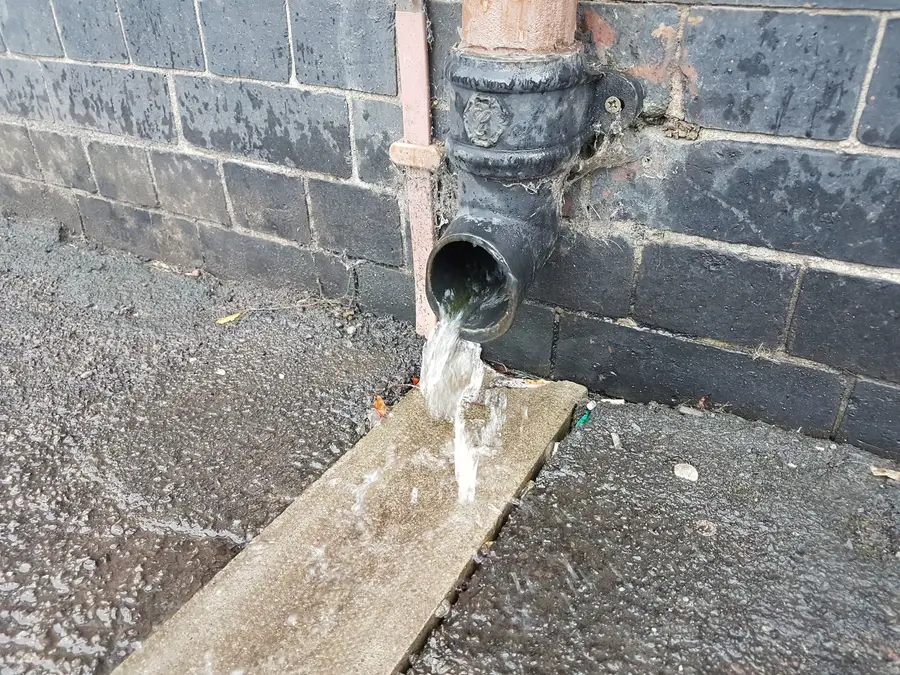
What it includes
Rainwater downpipes
Replacement of damaged sections or of the whole downpipe, with new PVC, zinc or steel downpipes depending on the building.
Fibre cement downpipes
Many old downpipes are made of fibre cement; their removal follows the same requirements as an asbestos roof.
Gutters and flashings
Renewal of gutters and connection parts with the roof.
External ducts
Removal of obsolete ducts, chimneys and external elements.
Inner courtyards
Work in light wells using rope access when scaffolding cannot be erected.
How to tell whether a downpipe is made of fibre cement
Fibre cement downpipes are usually grey, stone-like in appearance, with bell-shaped joints and, over the years, moss or cracks. If the building dates from before 2002 and you are unsure, do not handle it: in the preliminary survey we identify the material and tell you which requirements apply.
A downpipe in poor condition causes leaks, damp on the façade and damage at the base of the building. Replacing it in time avoids bigger repairs and stains that end up forcing a façade refurbishment.
What the regulations require for removing downpipes containing asbestos
If the downpipe contains asbestos, its removal is subject to Royal Decree 396/2006: it can only be carried out by a company registered in the RERA, under a work plan approved by the labour authority, without cutting or breaking the material, and the waste is delivered to an authorised waste manager. We coordinate the removal with the specialised company and install the new downpipe in the same intervention. More information on the asbestos and fibre cement removal page.
Downpipes in homeowners' associations
Main downpipes are a common element: replacement is agreed at the owners' meeting and is usually managed by the property manager. We plan the works in phases to reduce disruption, coordinate access to courtyards and homes when necessary and, in inner courtyards with no room for scaffolding, we work with rope access techniques.
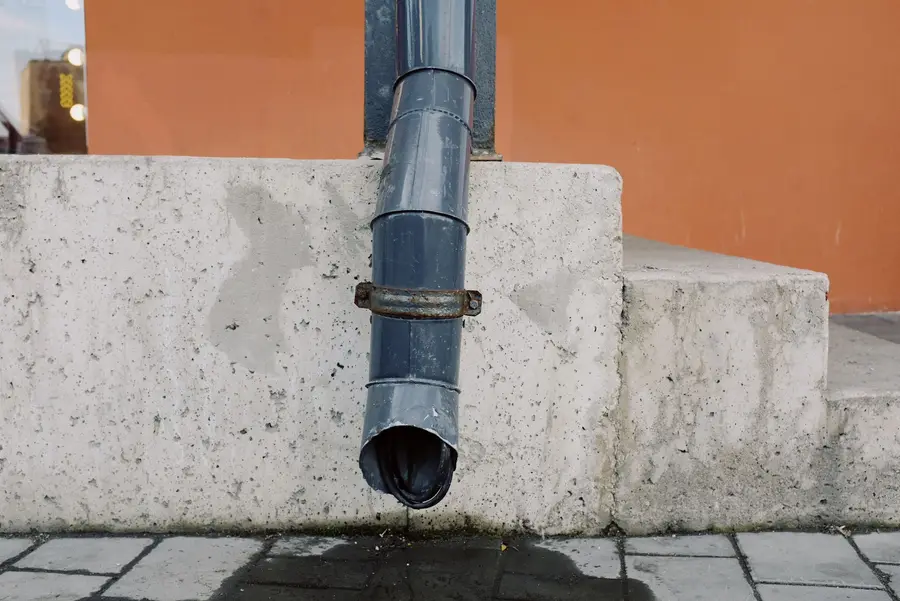
Illustrative images. They do not show Revital Innover projects.
Who we work for
- Homeowners' associations with old or fibre cement downpipes.
- Property managers who manage the works.
- Buildings with hard-to-reach light wells.
- Industrial buildings and warehouses with fibre cement downpipes, gutters or tanks.
How we manage it
- Preliminary survey and assessment of each project, with a site visit when the job requires it.
- Technical proposal with the phases of execution, deadlines and every item explained.
- Coordination of the professionals, specialised companies and technical means involved.
- Follow-up of the execution and handover of the final documentation.
FAQ
How do I know if a downpipe is made of fibre cement?
It is usually grey, stone-like in appearance and with bell-shaped joints. If the building dates from before 2002 and you are unsure, do not handle it: we identify the material in the preliminary survey.
What problems does a downpipe in poor condition cause?
Leaks, damp on the façade and damage at the base of the building. Replacing it in time avoids bigger repairs.
How much does it cost to replace the downpipes of an apartment block?
It depends on the number of downpipes and their length, the current material (if it is fibre cement, removal has legal requirements), access (inner courtyard, façade, scaffolding or rope access) and the new material. We prepare the quote after visiting the building, with every item explained.
What is the service life of a fibre cement downpipe?
Many have been in place for decades and, with exposure to sun and rain, the material becomes brittle, cracks and loses watertightness. When cracks, stains on the façade or broken joints appear, it is time to replace it, always through a RERA-registered company.
Can one resident replace only the section serving their flat?
The main downpipe is a common element, so its replacement is the association's responsibility and is agreed at the owners' meeting. Replacing an isolated section usually leaves the problem in the rest of the run; the best approach is to plan the full replacement in phases.
More answers on the FAQ page.
Do you have a downpipe or duct project?
Tell us what you need and where the property is. We study it and propose the most suitable solution before preparing the quote.
Request a quote