Service 01 · Refurbishment and construction
Industrial and residential roof refurbishment
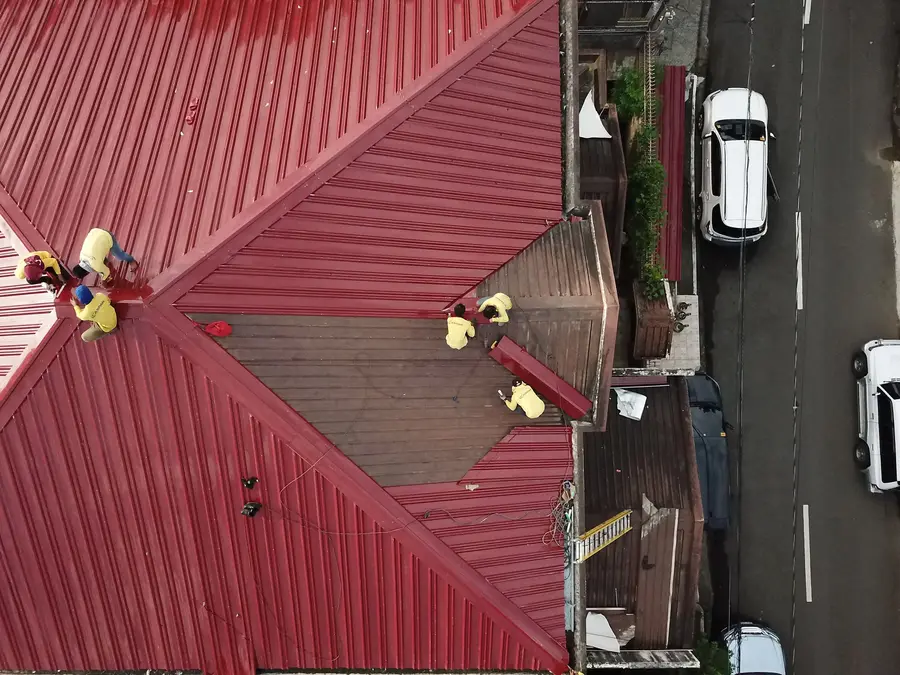
We remove roofs that have reached the end of their service life and replace them with a solution tailored to the building: from the roof of a house or an apartment block to the roof of an industrial building.
What it includes
Industrial roofs
Industrial buildings, factories, warehouses and logistics facilities, with phased planning to reduce disruption to the activity.
Residential roofs
Detached houses, apartment blocks and homeowners' associations, with clay or concrete tiles or flat roofs.
Material replacement
Removal of damaged tiles, sheeting, membranes or panels and management of the waste generated.
New sandwich panel roofs
A lightweight, insulating solution, common on industrial buildings and when renewing old roofs.
Waterproofing and insulation
Membranes, thermal insulation and flashings that solve leaks and condensation.
Damaged elements
Gutters, flashings, rooflights and parts that compromise watertightness.
Lifting equipment
Coordination of the crane trucks and aerial platforms needed to remove and install materials safely, through specialised companies.
Fibre cement roofs
If the current roof contains asbestos, we coordinate its removal with companies registered in the RERA (Spain's asbestos contractors register).
When refurbishing a roof is better than repairing it
A one-off repair solves a localised problem: a broken tile, an open joint, a loose flashing. When damage keeps appearing in different areas of the roof, replacement is usually more cost-effective in the medium term, because it avoids successive interventions and takes advantage of the works to improve insulation and waterproofing.
These are the most common signs that a roof has reached the end of its service life:
- Leaks that come back after every repair.
- Broken or degraded panels, sheets or tiles across much of the surface.
- Rusted fixings, open flashings and overflowing gutters.
- Condensation and insufficient insulation that shows on the energy bill.
- Asbestos-containing material, which must not be handled or repaired.
What we check in the preliminary survey
Before proposing a solution we visit the building and assess the condition of the material and the supporting structure, the surface and slopes, access for cranes or platforms, the activity taking place below, special elements (rooflights, skylights, extraction units) and whether there is asbestos fibre cement. With that information we prepare a clear proposal, phased if necessary.
Industrial roofs: renewing without stopping the activity
Many industrial buildings still have roofs of metal sheeting, fibre cement or aged panels. Renewing them improves watertightness, insulation and the safety of those working below, and it is the moment to deal with skylights, extraction units and lifelines.
We plan the works by zones and phases, in coordination with the plant manager, so that production or the warehouse keeps running. We protect machinery and workstations during dismantling and organise the lifting equipment so that material comes in and out safely.
The most common solution is the sandwich panel roof: two metal sheets with an insulating core, lightweight, quick to install and with good thermal performance. On flat roofs we work with waterproofing membranes and insulation over the existing deck when its condition allows.
Roofs of houses and homeowners' associations
In residential buildings the roof is a common element: the works are agreed at the owners' meeting and are usually managed by the property manager. We prepare the documentation the association needs to compare options with confidence, and if the Technical Building Inspection (ITE) has flagged defects in the roof, we start from that report.
We replace clay and concrete tile roofs, flat roofs with bituminous membranes and walkable terraces, and renew the elements that usually fail first: gutters, downpipes, flashings and junctions with chimneys and skylights. Public refurbishment grants are periodically available for residential buildings (local and regional authorities); we tell you which documentation is usually required, without guaranteeing that the grant will be awarded.
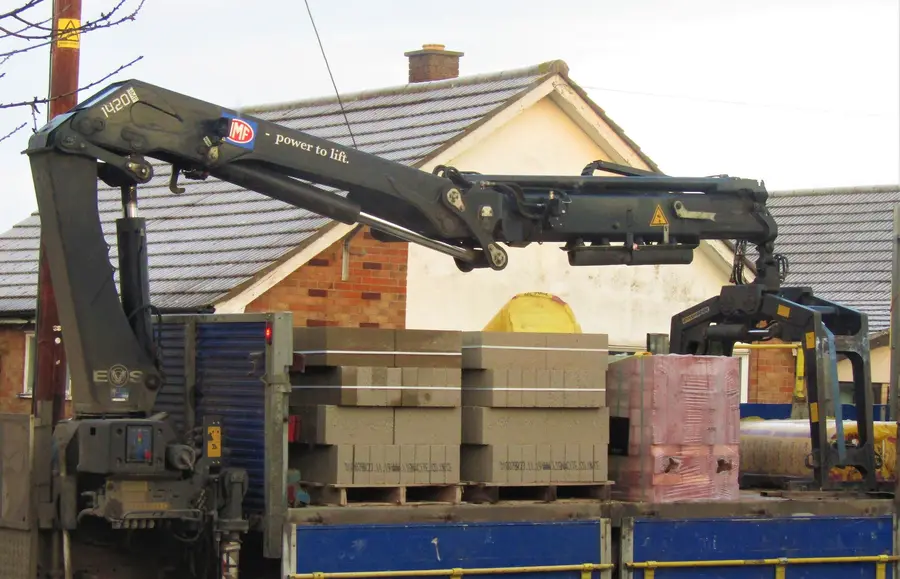
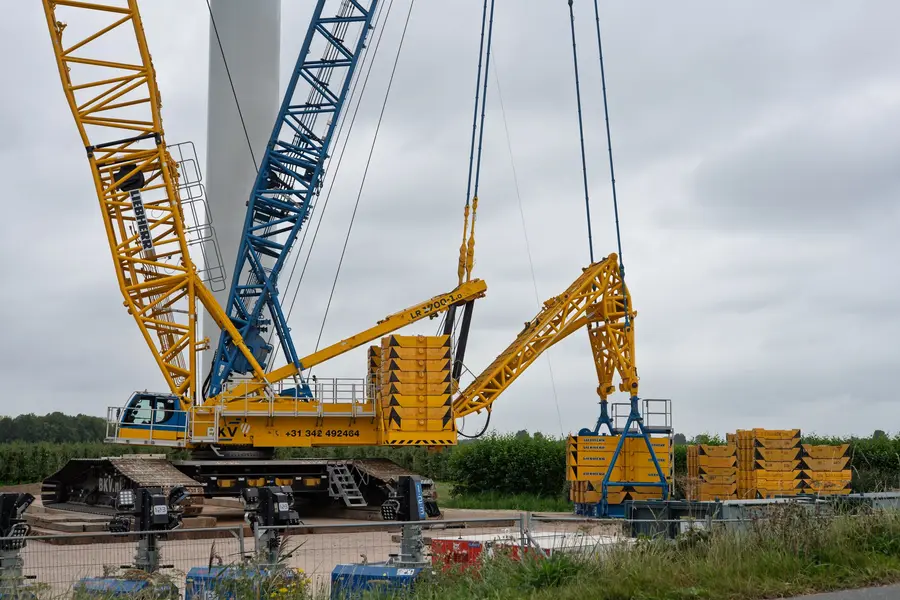
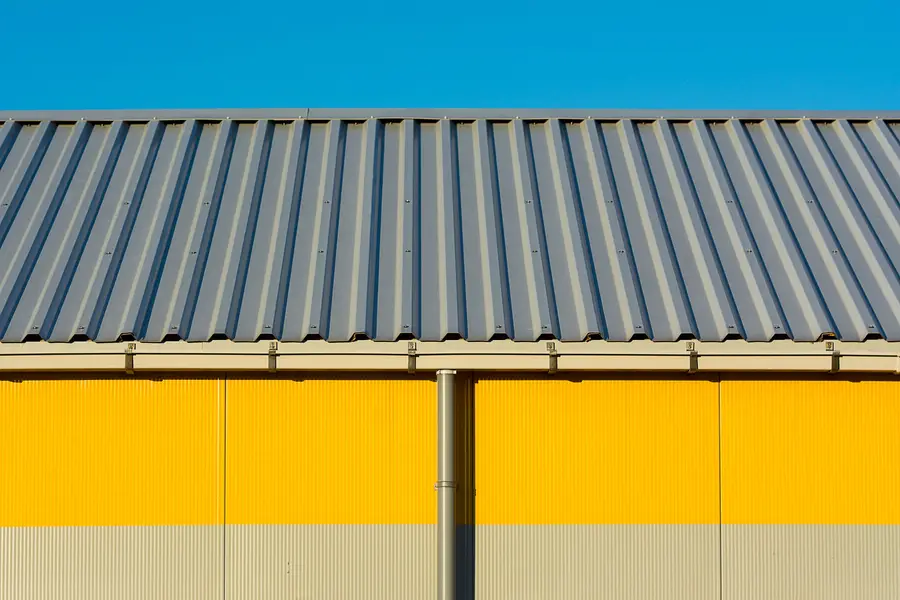
Illustrative images. They do not show Revital Innover projects.
Who we work for
- Homeowners' associations with tiled roofs or flat roofs with leaks.
- Property managers who manage the works for the association.
- Owners of detached houses and buildings.
- Industrial buildings and warehouses with aged metal, fibre cement or panel roofs.
- Companies and premises with flat roofs and waterproofing problems.
How we manage it
- Preliminary survey and assessment of each project, with a site visit when the job requires it.
- Technical proposal with the phases of execution, deadlines and every item explained.
- Coordination of the professionals, specialised companies and technical means involved.
- Follow-up of the execution and handover of the final documentation.
FAQ
When is it better to replace a roof rather than repair it?
When leaks keep coming back, the material has aged across much of the surface or the roof no longer insulates or protects as it should. In the preliminary survey we assess whether a one-off repair is enough or whether replacement is more cost-effective in the medium term.
What is a sandwich panel roof and why is it so common on industrial buildings?
It consists of two metal sheets with an insulating core between them. It is lightweight, improves thermal insulation and is quick to install, which is why it is so common on industrial buildings and when replacing old metal or fibre cement roofs.
Can the roof of an industrial building be renewed without stopping the activity?
In many cases, yes. The works are planned by zones and the lifting equipment is coordinated to keep disruption to the use of the building to a minimum. We agree it with the plant manager before starting.
How much does it cost to refurbish a roof?
It depends on the surface area, the current and new material, the condition of the structure, access, height, the lifting equipment required and waste management (more demanding if asbestos is present). That is why we do not quote prices per square metre without seeing the building: the preliminary survey allows an accurate quote with no surprises.
What if the current roof is asbestos fibre cement?
It must not be cut, broken or handled. We coordinate its removal with a company registered in the RERA (Spain's register of companies authorised to work with asbestos), under an approved work plan, and install the new roof. You will find more information on the asbestos and fibre cement removal page.
Are there grants for refurbishing the roof of a building?
Local and regional authorities periodically offer grants for the refurbishment of common elements and for energy improvements. They change every year, so it is worth checking the current call; we provide the technical documentation of the works that is usually required.
More answers on the FAQ page.
Do you have a roof refurbishment project?
Tell us what you need and where the property is. We study it and propose the most suitable solution before preparing the quote.
Request a quote